If you had asked a Pakistani driver five years ago about electric cars, most would have laughed and said they were too expensive, impractical, or simply not meant for our roads. Fast forward to 2026, and the conversation has completely changed. Electric vehicles (EVs) are no longer rare experiments — they are steadily becoming part of everyday life.
With petrol prices climbing, urban smog worsening, and technology advancing, many Pakistanis are starting to see electric cars as a smart long-term choice rather than a luxury. Government incentives, new charging stations, and the arrival of international brands have all contributed to this shift.
So, are electric cars really the future of transport in Pakistan? Let’s take a closer look at where the country stands today and where it is headed.
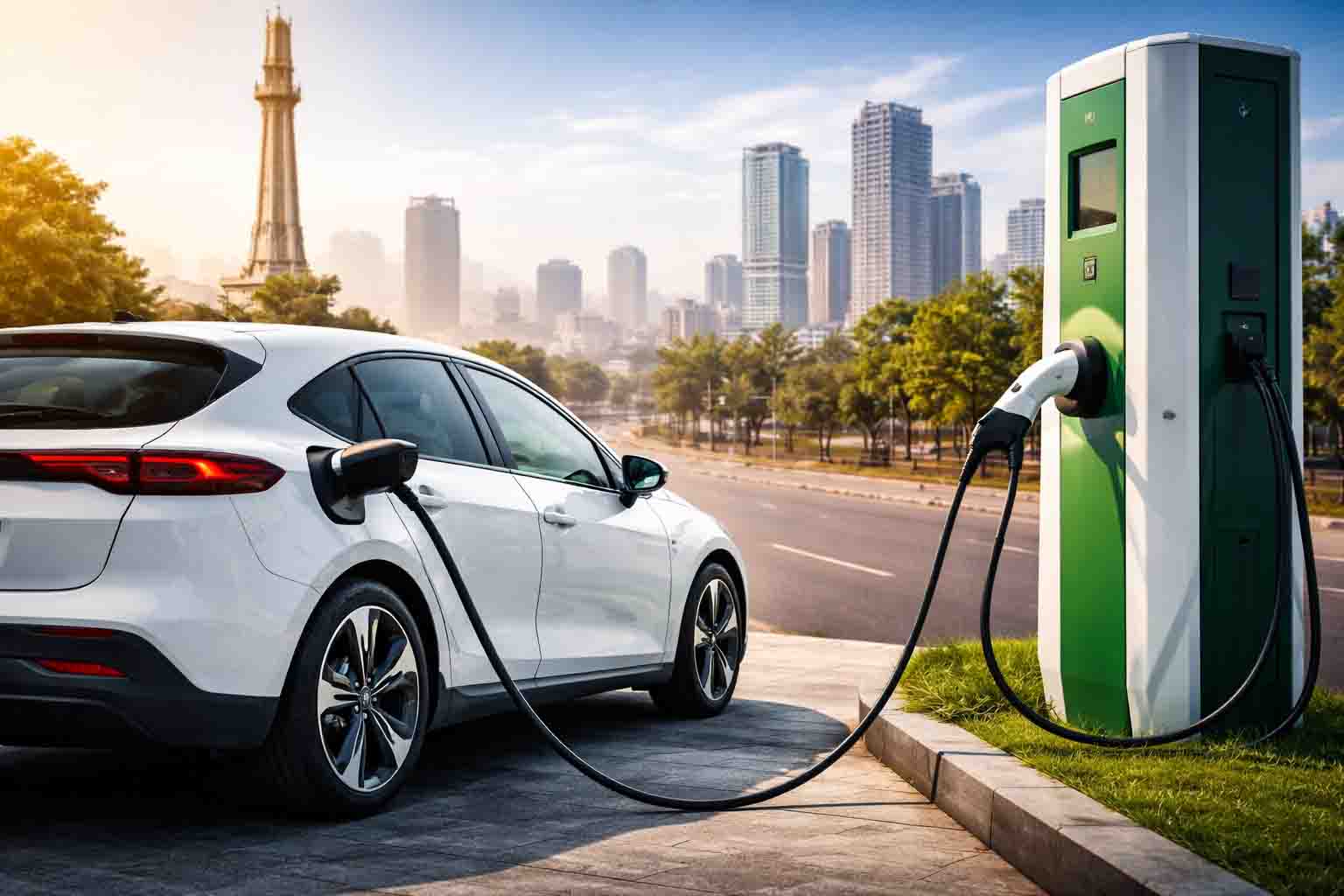
Why Electric Cars Are Gaining Popularity
Several factors are pushing Pakistan toward electric mobility, and most of them affect ordinary people directly.
Rising Fuel Costs
Petrol prices have become unpredictable and expensive. For families who rely on daily commuting, fuel expenses can consume a large portion of monthly income. Electric cars offer relief because electricity is generally cheaper and more stable in price.
Urban Air Pollution
Cities like Lahore and Karachi regularly face severe smog. Vehicle emissions are a major contributor. Electric cars produce zero tailpipe emissions, which means cleaner air — especially important for children and elderly people.
Lower Running Expenses
Although electric cars cost more upfront, they are cheaper to maintain over time. There is no engine oil, fewer mechanical parts, and less wear on brakes.
Government Support and Policies
Pakistan’s government has recognized the long-term benefits of electric transport and introduced policies to encourage adoption.
Key Incentives
-
Reduced import duties on EVs
-
Tax benefits for buyers
-
Subsidies for electric bikes and rickshaws
-
Easier financing options
-
Lower electricity tariffs for charging
The goal is not just environmental improvement but also reducing dependence on imported fuel.
Focus on Public Transport
Authorities are also exploring electric buses and public transport systems, which could make a huge difference in crowded cities.
Charging Infrastructure: The Biggest Concern
Ask anyone hesitant about electric cars, and they will likely mention charging.
Current Situation
Charging stations are increasing but still concentrated in major urban areas. Private companies and shopping malls are starting to install chargers, and some housing societies now offer them as amenities.
Home Charging Advantage
One major benefit is the ability to charge at home overnight. For many drivers, this eliminates the need for frequent public charging.
Intercity Travel Challenges
Long-distance travel still requires planning because fast chargers along highways are limited, though expansion projects are underway.
Benefits of Electric Cars for Pakistani Drivers
Electric vehicles offer several practical advantages that go beyond environmental concerns.
Financial Savings
-
Lower cost per kilometer
-
Minimal maintenance expenses
-
No oil changes or engine repairs
Driving Comfort
Electric cars are smooth, quiet, and responsive. Instant acceleration makes city driving easier, especially in stop-and-go traffic.
Energy Independence
Using locally generated electricity reduces reliance on imported oil, which benefits the national economy as well.
Challenges Slowing Down Adoption
Despite clear benefits, EV adoption is not happening overnight.
High Purchase Price
Electric cars still cost more than comparable petrol vehicles. This puts them out of reach for many middle-class buyers.
Limited Model Choices
The market offers fewer options compared to traditional cars, though new models are arriving each year.
Electricity Issues
Power outages and grid reliability remain concerns in some areas, especially outside major cities.
Battery Replacement Worries
Many potential buyers worry about long-term battery performance and replacement costs.
Local Manufacturing and Market Growth
Encouragingly, Pakistan is moving toward local assembly of electric vehicles. This could significantly reduce prices and make EVs accessible to a broader population.
Local production also means:
-
Job creation
-
Technology transfer
-
Easier availability of spare parts
-
Faster market growth
Industry experts believe the EV market could expand rapidly once prices become competitive.
Key Takeaways
-
Electric cars are becoming increasingly common in Pakistan
-
High fuel prices are driving interest in EVs
-
Government incentives are supporting adoption
-
Charging infrastructure is improving but still developing
-
Upfront cost remains the biggest barrier
-
Long-term savings make EVs attractive for daily commuters
Electric vs Petrol Cars — Quick Comparison
| Feature | Electric Cars | Petrol Cars |
|---|---|---|
| Fuel Cost | Very low | High |
| Maintenance | Low | Moderate to high |
| Emissions | Zero | High |
| Noise | Quiet | Loud |
| Refueling Time | Slow (charging) | Fast |
| Long-Distance Ease | Moderate | Excellent |
FAQs
Are electric cars practical in Pakistan right now?
Yes, especially for city driving. For long trips, planning charging stops is still necessary.
How much can you save on fuel?
Savings depend on driving habits, but many owners report spending far less per month compared to petrol vehicles.
Do electric cars require special maintenance?
No special maintenance is needed, and overall upkeep is simpler than traditional cars.
Is it safe to charge at home?
Yes, with proper installation and equipment, home charging is safe and convenient.
Will EV prices drop in the future?
Most likely. As local manufacturing increases and technology improves, prices are expected to become more affordable.
Electric cars in Pakistan are no longer a distant possibility — they are gradually becoming part of the present. While challenges such as infrastructure and cost remain, the overall direction is clear. Cleaner air, lower running expenses, and reduced dependence on imported fuel make electric vehicles a logical step forward.
For now, EVs may suit urban drivers best, but as charging networks expand and prices fall, they could soon become the default choice for millions of Pakistanis.
The future of transport in Pakistan is not just approaching — it has already started to arrive, quietly and electrically.
Recommended for You:
| 👉 Meezan Bank Account Types in Pakistan — Complete Guide 2026 A complete breakdown of all Meezan Bank accounts, including savings, current, and Islamic banking options to help you choose the right one. |
| 👉 Best Banks in Pakistan 2026 — Top 10 Reliable Banks List Discover the most trusted and customer-friendly banks in Pakistan based on services, digital banking, and reliability. |
|
👉 Online Jobs in Pakistan Without Investment — 2026 List |
